


The Ultimate Guide to Baba-Peranakan Culture in Phuket: History, Food & Architecture


Phuket is internationally renowned for its turquoise waters and lively beaches, but its modern social structure, UNESCO-recognized cuisine, and distinctive urban architecture were built inland. The foundation of modern Phuket rests on the rich Baba-Peranakan culture Phuket inherited in the 19th century through intermarriage between Hokkien Chinese tin miners and local Thai-Malay women.
This cultural fusion produced a distinct identity that drove the island's economic modernization, established its culinary traditions, and created the Sino-Portuguese streetscapes seen today in Phuket Old Town.
┌────────────────────────────────────────────────────────────────────────┐
│                   HISTORICAL ROOT (19th Century)                       │
│      Hokkien Chinese Immigrants + Local Thai-Malay Communities         │
└──────────────────────────────────┬─────────────────────────────────────┘
                                   │
                                   ▼
┌────────────────────────────────────────────────────────────────────────┐
│                   ECONOMIC DRIVER: TIN MINING BOOM                     │
│    Accumulated Wealth ➔ Capital Investment in Local Infrastructure     │
└──────────────────────────────────┬─────────────────────────────────────┘
                                   │
                                   ▼
┌────────────────────────────────────────────────────────────────────────┐
│                        MODERN CULTURAL LEGACY                          │
│  ┌───────────────────────┬──────────────────────┬───────────────────┐  │
│  │   Sino-Portuguese     │   UNESCO Gastronomy  │ Heritage-Driven   │  │
│  │     Architecture      │    (Moo Hong, etc.)  │    Nightlife      │  │
│  └───────────────────────┴──────────────────────┴───────────────────┘  │
└────────────────────────────────────────────────────────────────────────┘
Key Questions Answered in This Guide
Who are the Baba-Peranakan people of Phuket?
Why did Chinese immigrants settle in Phuket during the 19th century?
How does Baba-Peranakan culture in Phuket influence modern food, architecture, and nightlife?
Where can visitors directly experience authentic Peranakan culture today?

Who Are the Baba-Peranakan? The Genesis of a Hybrid Identity
The term Peranakan comes from a Malay root word meaning "locally born". In Southern Thailand's Andaman coast—spanning Phuket, Phang Nga, and Ranong—descendants of this community are commonly referred to as Baba-Nyonya or Baba-Yaya, where Baba refers to men and Nyonya (or Yaya) refers to women.
During the 19th-century tin mining boom, thousands of Hokkien Chinese men migrated to Phuket. Due to migration restrictions, few Chinese women made the journey, leading male settlers to integrate with local Thai and Malay women. This unique blend laid the groundwork for Baba-Peranakan culture Phuket celebrates today—a hybrid heritage combining Mahayana Buddhist and Confucian traditions with local southern Thai customs and aesthetics.
Key Terminology Comparison
Term | Historical Origin | Cultural Context in Phuket |
Peranakan | Malay (anak = child / locally born) | Broader regional umbrella term across Malacca, Penang, Singapore, and Southern Thailand. |
Baba | Persian/Indian honorific for respect | Denotes male descendants of the community. |
Nyonya / Yaya | Derived from Portuguese Donha (lady) | Denotes female descendants, celebrated for culinary skills and textile artistry (kebaya). |
Why Tin Mining Built the Foundation of Modern Phuket
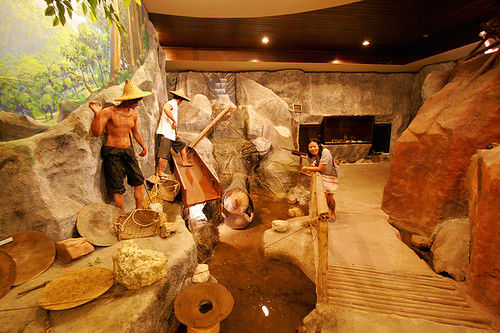
In the mid-to-late 1800s, global demand for tin soared due to the expansion of industrial canning in Europe and North America. Phuket sat atop rich tin deposits, prompting Siamese monarchs to encourage foreign investment and labor in the region.
Baba-Peranakan families moved from worker status to merchant class, controlling shipping lines, mine operations, and early banking systems on the island.
According to historical analyses on ethnic Chinese trade networks in Southeast Asia, the capital generated from tin mining transformed Phuket from a jungle outpost into an international trading hub connecting Penang, Malacca, and Singapore (The pursuit of history of Thai Peranakan Chinese, ResearchGate / Taylor & Francis).
  19th-Century Industrial Demand for Tin
                    │
                    ▼
  Hokkien Labor & Capital Migration to Phuket
                    │
                    ▼
  Establishment of Local Mercantile & Banking Elite
                    │
                    ▼
  Construction of Sino-Portuguese Architecture in Phuket Town
                    │
                    ▼
  Modern Re-adaptation: Boutique Hotels, Cafes, and Heritage Nightlife
When tin reserves declined in the mid-20th century, these entrepreneurial families redirected their capital into hospitality, transport, and commercial infrastructure—forming the backbone of Phuket’s modern tourism economy.

How Baba-Peranakan Culture in Phuket Shapes Architecture, Food, and Nightlife
1. Architectural Heritage: The Sino-Portuguese Shophouses
The urban layout of Phuket Old Town features Sino-European (Sino-Portuguese) architectural styles. Built by wealthy Baba tin barons, these structures reflect the rich Baba-Peranakan culture Phuket preserves through European classical columns, French windows, and Chinese courtyards designed according to feng shui principles.
Five-Foot Way (Five-Foot Way Arcade): Covered pedestrian walkways built into the front of shophouses to provide shade and shelter during monsoon rains.
Interior Lightwells (Chim Jae): Open-air central courtyards designed to catch rainwater and provide natural air circulation throughout deep shophouse layouts.
Today, these restored buildings host heritage boutique hotels, craft cocktail bars, and art galleries that define Phuket Town’s evening cultural scene.
2. Gastronomy: The Origin of Phuket’s UNESCO Identity
In 2015, UNESCO designated Phuket as a City of Gastronomy. This recognition was driven largely by Baba-Nyonya culinary traditions, which blend Chinese wok-frying and braising techniques with local Thai herbs, shrimp paste, and spices.
       CHINESE INFLUENCE                   LOCAL SOUTHERN THAI INFLUENCE
  (Soy Sauce, Five-Spice, Pork)             (Spices, Tamarind, Fresh Seafood)
                 │                                        │
                 └───────────────────┬────────────────────┘
                                     │
                                     ▼
                            BABA-NYONYA CUISINE
                     - Moo Hong (Braised Pork Belly)
                     - O-Tao (Crispy Oyster Omelet)
                     - Lo Ba (Five-Spice Pork Offal)
Moo Hong (หมูฮ้อง): Pork belly braised with dark soy sauce, garlic, black pepper, and coriander root.
O-Tao (โอวต้าว): A savory dish made of small oysters, taro cubes, flour, and pork cracklings cooked on a flat-top griddle.
Mee Hokkien (หมี่ฮกเกี้ยน): Yellow egg noodles stir-fried in pork broth with seafood, sliced pork, and a soft-boiled egg.
3. Cultural Nightlife & Evening Economy
Unlike the high-octane neon strip of Patong's Bangla Road, the evening economy in Phuket Old Town centers on heritage preservation. Every Sunday, Thalang Road transforms into the Lard Yai Walking Street Market, where Peranakan street food, handmade crafts, and live musical performances are showcased against lit-up historic façades.

Where to Experience Authentic Peranakan Culture in Phuket
For travelers seeking authentic heritage experiences, these key locations show Baba-Peranakan culture Phuket in daily life:
Chinpracha House (Baan Chinpracha): Built in 1903, this mansion offers a look at original Peranakan interior furnishings, mother-of-pearl inlay furniture, and imported European floor tiles.
Museum Phuket (Peranakan Nitat): Located in the historic clock tower building on Phang Nga Road, offering interactive displays detailing the history of the tin mining boom and Baba family lineages.
Thai Hua Museum: Housed in a 1934 British-colonial style school building, detailing Chinese migration patterns and early educational systems.
Blue Elephant Governor's Mansion & Cooking School: A restored heritage residence serving refined Peranakan and Royal Thai cuisine.
Jui Tui Shrine: A key spiritual center for the Chinese-Peranakan community and the focal point of the annual Phuket Vegetarian Festival.
Frequently Asked Questions (FAQ)
Is Baba-Peranakan culture in Phuket the same as traditional Thai culture?
No. While fully integrated into Thai society today, Baba-Peranakan culture Phuket retains a hybrid identity distinct to Southern Thailand's Andaman coast. It combines Hokkien Chinese ancestral customs, language dialects, and dress with Thai-Malay influences.
What is the best time to see Baba-Peranakan cultural events in Phuket?
The annual Phuket Peranakan Festival (held around June) features street parades with traditional Baba-Yaya attire (Nyonya Kebaya). The Phuket Vegetarian Festival (September/October) offers another deep look into Chinese-Thai spiritual customs and street processions.
Where can I try real Baba-Nyonya food in Phuket?
Head to Phuket Old Town and visit heritage restaurants like Raya Restaurant, One Chun Cafe, or Tu Kab Khao, all of which specialize in traditional recipes passed down through local families.
References & Primary Sources
Academic Study: The pursuit of history of Thai Peranakan Chinese and their identity formation, Journal of Humanities & Social Sciences / Taylor & Francis.
UNESCO Designation: Phuket's City of Gastronomy Heritage Network, UNESCO Creative Cities Network.
Historical Architecture & Mining Context: Peranakan Culture in Phuket & Tin Mining Development, Thalang National Museum Archives.
Plan Your Phuket Heritage Experience
Exploring Phuket’s cultural interior requires local context to move beyond tourist hubs. For curated heritage tours, authentic street food walks, and private transfers across Phuket Old Town, visit our main travel services:
Discover curated food tours and cultural excursions via our Phuket City Tour Package
Book private day trips and custom island itineraries at Phuket Travel by Zammy Official Website.

Comments